What is Acne ?
Acne is a skin condition that occurs when your hair follicles become plugged with oil and dead skin cells. It causes whiteheads, blackheads called Blemishes, bumps, pimples, breakouts _ Acnevulgaris is the medical name common for acne. The most common spots for breakouts are the face, chest, shoulders, and back. Although mild acne may improve with over-the-counter treatments, more severe forms should be treated by a dermatologist.

Causes of Acne
Acne is caused when sebaceous glands are attached hair follicles, which are small holes in your skin that an individual hair grows out of .Clogged pores cause acne itself. These may be attributed to the main causes: exces production of oil (sebum), bacteriahormones, dead skin cells, ingrown hairs and dust particules and other unhealthy habits etc. But there are other factors that may trigger or worsen Acne.
- Hormonal changes
- Certain medications
- Diet
- Stress
- Cosmetics
- Hygiene
TYPES OF ACNE
Identifying which type of acne you’re experiencing is key to successful treatment. Acne may be. noninflammatory or inflammatory. There are other common acnes like
Moderate Acne, Mild Acne, Acne Mechanica, other kinds of acne includes:
1) Whiteheads

Whiteheads. In almost all cases, acne happens because the pores in your skin are clogged.
2) Blackheads

Blackheads. Unlike whiteheads, blackheads look black on the skin’s surface.
3) Papules

inflamed Acne, forming small red or pink bumps on the skin. This type of pimple may be sensitive to the touch. Picking or squeezing can make the inflammation worse and may lead to scarring.
4) Pustules

Pustules are another kind of inflamed pimple filled with white or yellow pus. They resemble a whitehead with a red ring around the bump. Picking can cause scars or dark spots on the skin.
5) Nodules
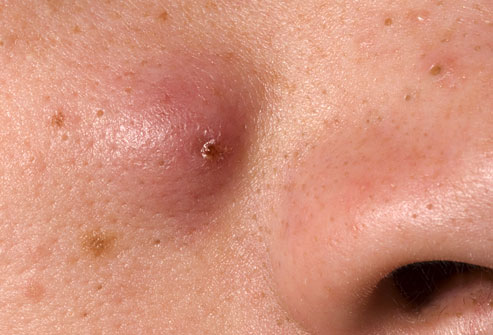
Nodules are large, inflamed bumps that feel firm when touched. They are embeded deep within the skin and are often painful. They should be treated by a dermatologist since they can scar. Over-the-counter treatments may not be powerful enough to clear them up, but prescription drugs can be effective.
6) Cysts

Cysts are large, pus-filled lesions that look similar to boils. Like nodules, cysts can be painful and should be treated by a dermatologist since they also can scar. People who develop nodules and cysts are usually considered to have a more severe form of acne.
7) Acne conglobata

Acne conglobata is one of the most severe forms of acne. It involves many inflamed nodules that are connected under the skin to other nodules. It can affect the neck, chest, arms, and buttocks. It often leaves scars. This type of acne is more common in men and is sometimes caused by taking steroids or testosterone. Timely treatment by a dermatologist is essential.
How To Treat Acne
Before treating acne a person has to seek professional advice from a dermatologist and also know his/ her skin type : normal, dry, oily or the combination (dry and oily). As the skin differ so are the treatments. so knowing your skin type and the type of acne you have are the first stepping stones to knowing the best medication suitable for treating your acne.
There are different ways in treating acnes which includes:
Systemic Therapy
Systemic therapy refers to acne medication that is taken by mouth. Antibiotics like tetracycline, minocycline, doxycycline, or erythromycin may treat moderate to severe acne by targeting bacteria and reducing inflammation. Other systemic therapies include oral contraceptives, which can reduce acne in some women, spironolactone, an anti-androgen hormone pill, and isotretinoin treatment requires regular appointments with your dermatologist.
Topical Therapy
It’s an acne medication that is applied directly to the skin, like gels or creams. Over-the-counter topical products can often help mild acne. They may contain ingredients like benzoyl peroxide, resorcinol, salicylic acid, or sulfur. Prescription products such as antimicrobial or retinoid creams can treat mild to moderately severe acne. These can be prescribed alone or in combination with other ingredients.
Natural Therapy/Remedies
These are natural means by using herbs or hygienic and healthy habits which are scientifically proven to get a much healthier skin.
- Maintain a healthy diet
- Frequently change your clothes and bedding
- Wash your face twice a day
- Exfoliate
- Use a mild cleanser
- Apply an acne-fighting agent
- Always moisturize
- Don’t use makeup that would clog your pores
- Don’t touch/ pick/ poke at your skin
- Avoid sugar
- Eat lots of fruits/drink natural fruit juice
- Relax and avoid stress
https://www.goodrx.com/blog/acne-types-how-to-treat/
https://www.healthline.com/health/skin/how-to-get-clear-skin
 Healthcare Tips/ Healthy lifestyle